Verkeerstekens en aanwijzingen
Traffic signs, lights and instructions
Signs, lights, markings and people can all tell you what to do. Start by asking which instruction applies to your lane, direction and vehicle right now.
Watch the lesson
Traffic lights, instructions, and supplementary plates
Key rules
Identify who is directing traffic
Follow an instruction from an authorised officer or traffic controller when it applies to you. Working traffic lights take precedence over priority signs. That does not erase unrelated restrictions or your duty to keep a junction clear.
Read the whole sign
A supplementary plate can limit a sign to a vehicle type, show a time period or list an exception. Read the sign and plate as one instruction. A zone starts at the entry sign and continues until the corresponding end sign.
Use the shape to identify the instruction
A red-bordered triangle normally warns you about a hazard. A red-bordered circle usually restricts a movement or a vehicle, while a blue circle generally tells you to do something. A blue circular arrow can require a direction. Learn the exceptions, including the inverted give-way triangle and the octagonal STOP sign.
Read the signal for your direction
Stop for red at the stop line where one is marked. At green, proceed only if you can clear the junction. An illuminated arrow controls the direction it shows. A steady amber light means stop if you can do so safely. A flashing amber light warns of danger. Slow down and check the situation before proceeding.
Watch for lane and crossing signals
A green arrow or illuminated speed limit above the lane means you may use it. A white arrow warns of a closure ahead. Move in the indicated direction when safe. Stay out of a lane with a red X. Stop for a flashing red signal at a railway crossing or opening bridge. At a railway crossing, wait until the signal clears, the barriers are fully open and you can cross safely.
Read the markings on your side
Follow temporary markings where they conflict with permanent ones. A solid line between traffic lanes generally cannot be crossed. If a broken line runs alongside it on your side, you may cross from that side when safe. Follow the direction indicated by your lane arrow. A solid yellow line at the kerb means no stopping, while a broken yellow line means no parking.
Dutch road signs
Study 187 signs by category, or search by code or meaning.
ASpeed limits5 signs
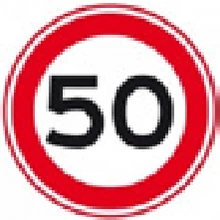
A1
Maximum speed
The red circle makes this an enforceable limit. The number can vary.

A2
End of a posted speed limit
Check the general speed for the road and any new sign.
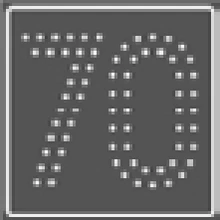
A3
Electronic speed limit
The lit number applies to the lane it controls.
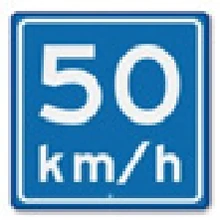
A4
Advisory speed
The blue square recommends a speed. Compare it with the red-circle A1 limit.
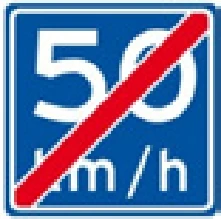
A5
End of advisory speed
BPriority7 signs

B1
Priority road
Drivers joining from side roads generally give way to traffic on this road.
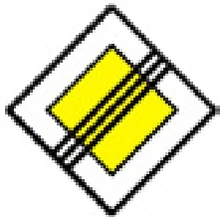
B2
End of priority road
Check what controls priority at the next junction.
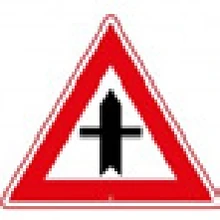
B3
Priority at the next crossroads
The thick line shows the road that has priority.
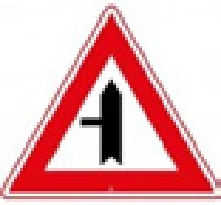
B4
Priority over traffic from the left side road
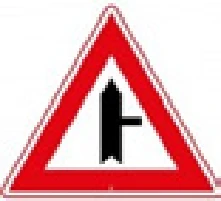
B5
Priority over traffic from the right side road
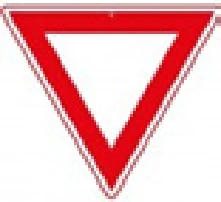
B6
Give way
You may continue without a full stop if you can give way safely.
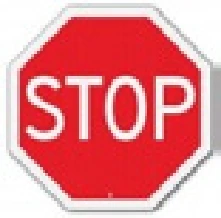
B7
Stop and give way
Make a complete stop, then give way to drivers on the crossing road.
CAccess and road closures37 signs

C1
Closed to vehicles and riders in both directions
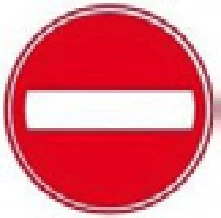
C2
No entry from this direction
A plate may exempt specific road users.
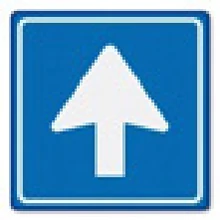
C3
One-way street straight ahead
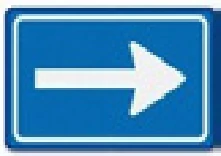
C4
One-way street in the direction shown
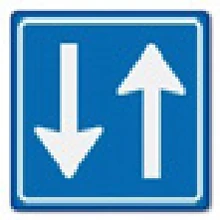
C5
Entry to this road is allowed
The road can carry traffic in both directions.
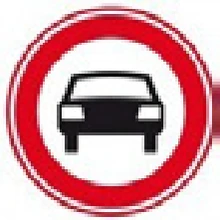
C6
No motor vehicles with more than two wheels
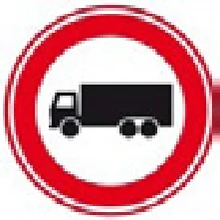
C7
No lorries
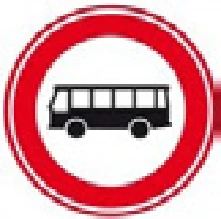
C7a
No buses
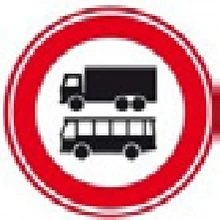
C7b
No buses or lorries
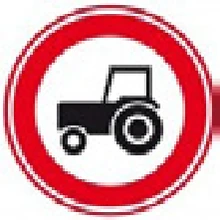
C8
No tractors, slow motor vehicles or mobile machinery
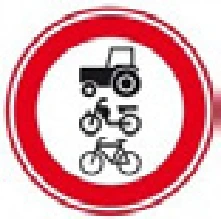
C9
No specified slow traffic
The restriction covers categories such as cyclists, mopeds and tractors. Check the sign and any plate.
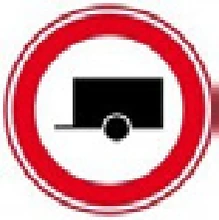
C10
No motor vehicles towing a trailer
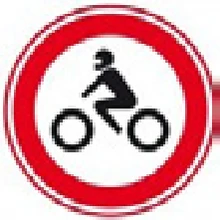
C11
No motorcycles
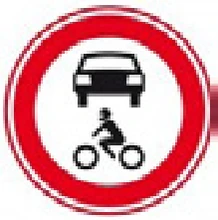
C12
No motor vehicles
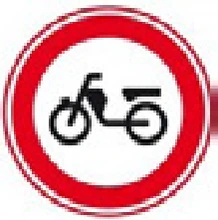
C13
No mopeds, light mopeds or motorised mobility vehicles
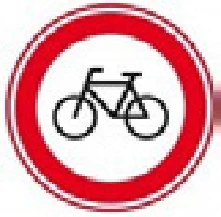
C14
No bicycles or non-motorised mobility vehicles
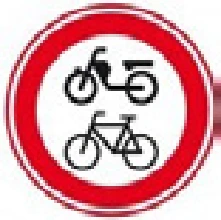
C15
No bicycles, mopeds or mobility vehicles
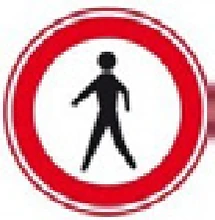
C16
No pedestrians
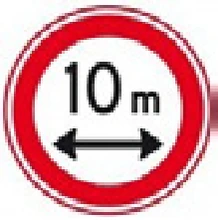
C17
Maximum vehicle or combination length
Include the load when checking the overall length.
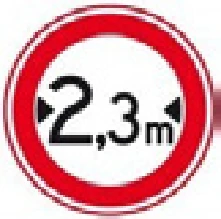
C18
Maximum width
Include the load when checking the overall width.
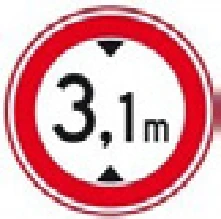
C19
Maximum height
Include the load when checking the overall height.
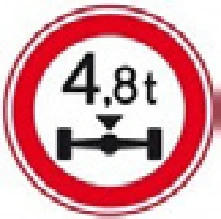
C20
Maximum axle load
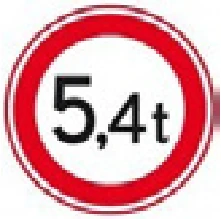
C21
Maximum total weight

C22
No vehicles carrying specified dangerous goods
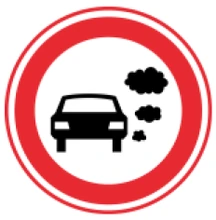
C22e
Emission-restricted zone
Read the supplementary plate to see which vehicles and emission classes may enter.
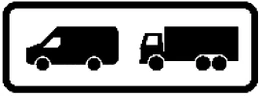
C22e1
Zero-emission zone for vans and lorries
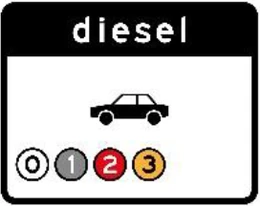
C22e4
Diesel passenger cars in emission classes 4 to 6 permitted
This plate is used with C22e1.
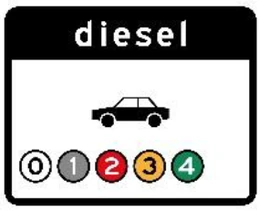
C22e5
Diesel passenger cars in emission classes 5 and 6 permitted
This plate is used with C22e1.
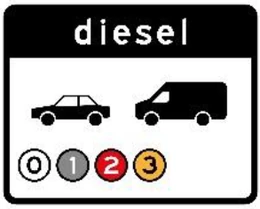
C22e6
Diesel cars and vans in emission classes 4 to 6 permitted
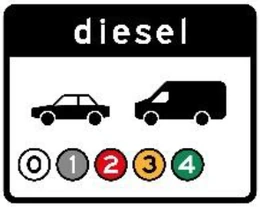
C22e7
Diesel cars and vans in emission classes 5 and 6 permitted
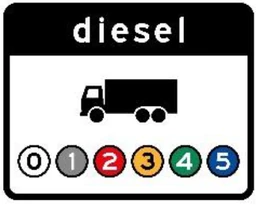
C22e8
Only emission class 6 diesel lorries permitted
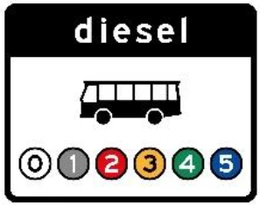
C22e9
Only emission class 6 diesel buses permitted
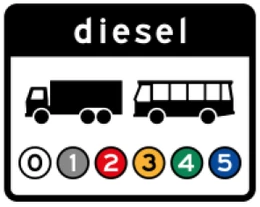
C22e10
Only emission class 6 diesel lorries and buses permitted
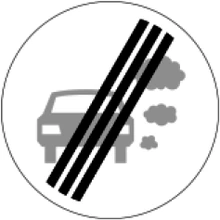
C22f
End of emission-restricted zone
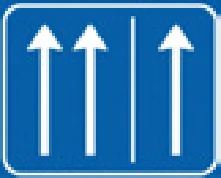
C23-01
Rush-hour lane open
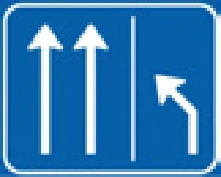
C23-02
Leave the rush-hour lane
Move out when there is a safe gap.
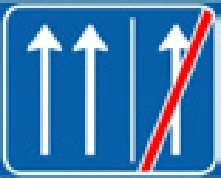
C23-03
Rush-hour lane closed
DCompulsory directions8 signs
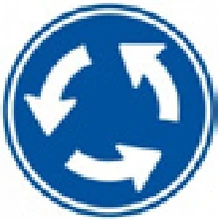
D1
Follow the roundabout direction
Check the priority signs and markings separately.

D2
Pass on the side shown
Follow the arrow around the island or obstruction.

D3
Pass on either side
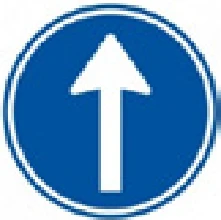
D4
Go straight ahead
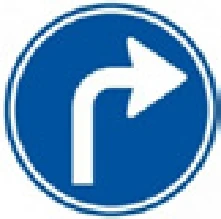
D5
Turn in the direction shown
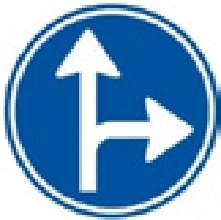
D6
Go straight or turn as shown
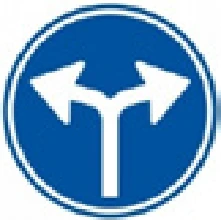
D7
Turn left or right as shown
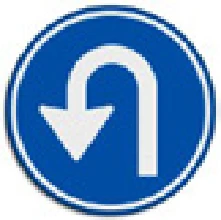
D8
Make the U-turn shown
EParking and stopping13 signs
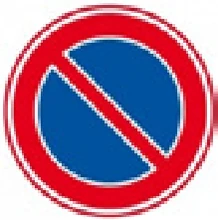
E1
No parking
Immediate passenger pickup, drop-off or loading can still be allowed where stopping is permitted.
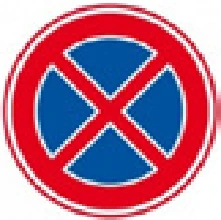
E2
No stopping
A brief pickup or drop-off still counts as stopping here.
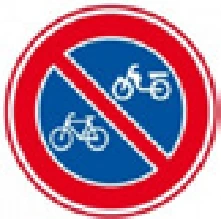
E3
Do not park bicycles or mopeds
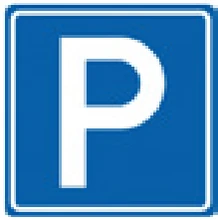
E4
Parking area
Read any supplementary plate for times or conditions.
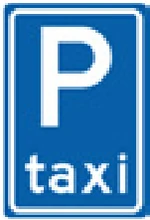
E5
Taxi stand
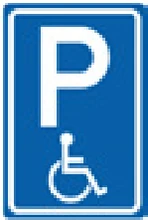
E6
Accessible parking
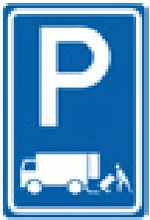
E7
Loading and unloading only
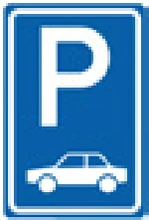
E8
Parking for the vehicle category shown
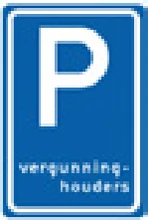
E9
Permit holders only
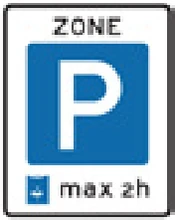
E10
Start of parking-disc zone
Use a parking disc where the zone rules require one and observe the time limit.
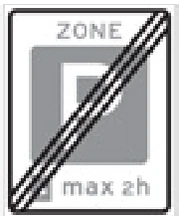
E11
End of parking-disc zone
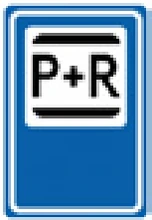
E12
Park and ride
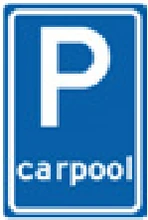
E13
Carpool parking
FOther orders and special lanes22 signs
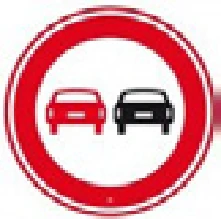
F1
No overtaking other motor vehicles
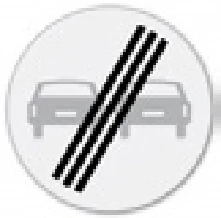
F2
End of motor-vehicle overtaking ban
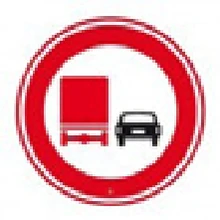
F3
Lorries may not overtake motor vehicles
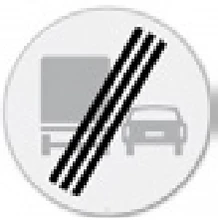
F4
End of the overtaking ban for lorries
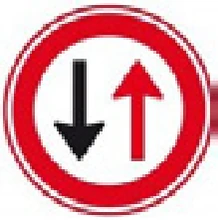
F5
Give way to oncoming traffic
Wait outside the narrow section.
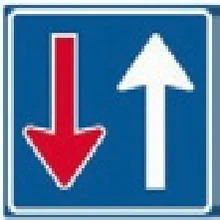
F6
Oncoming traffic must give way to you
Check the narrow section is clear before entering.
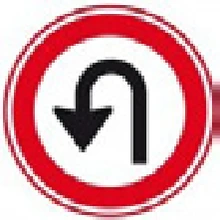
F7
No U-turn

F8
End of signposted prohibitions
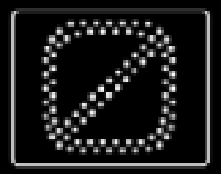
F9
End of restrictions shown on the electronic display
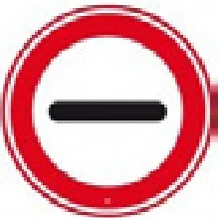
F10
Stop as instructed on the sign
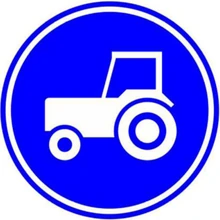
F11
Specified slow vehicles must use the passing lane
The lane lets other traffic pass tractors, limited-speed vehicles and mobile machinery.
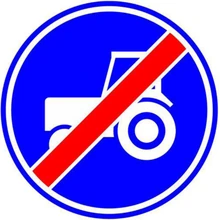
F12
End of the compulsory passing lane for slow vehicles
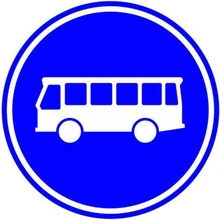
F13
Lane or carriageway for scheduled buses only
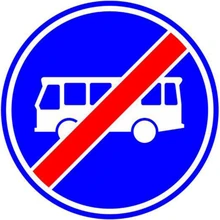
F14
End of the scheduled-bus lane
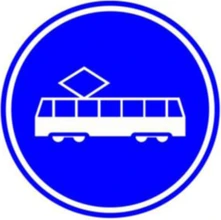
F15
Lane or carriageway for trams only
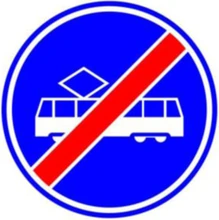
F16
End of the tram lane
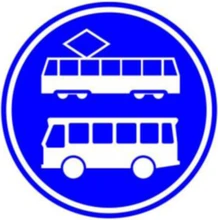
F17
Lane or carriageway for scheduled buses and trams
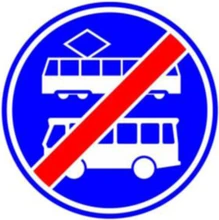
F18
End of the shared bus and tram lane
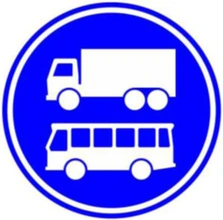
F19
Lane or carriageway for lorries and scheduled buses
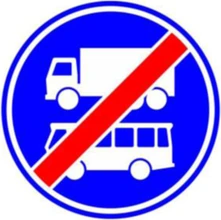
F20
End of the lorry and scheduled-bus lane
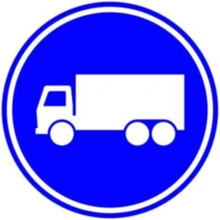
F21
Lane or carriageway for lorries only
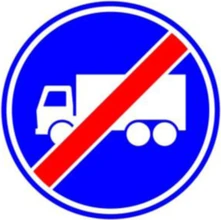
F22
End of the lorry lane
GRoad and path types16 signs
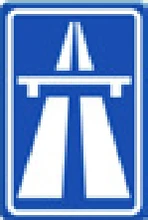
G1
Start of motorway
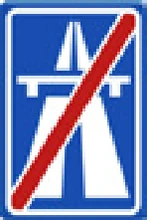
G2
End of motorway
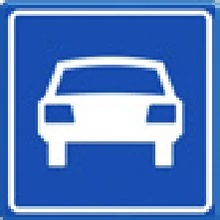
G3
Start of an autoweg
An autoweg is a motor road. Follow its access and speed rules.
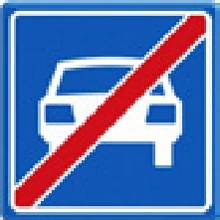
G4
End of an autoweg
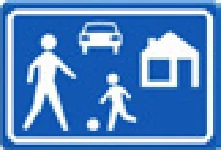
G5
Enter an erf
Pedestrians may use the whole street. Drive at 15 km/h or less.
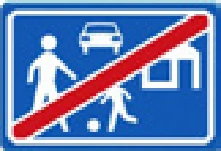
G6
Leave an erf
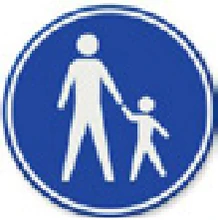
G7
Footpath
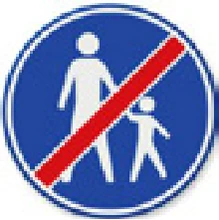
G8
End of footpath
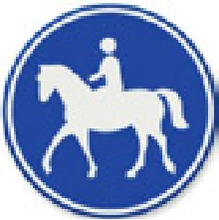
G9
Bridleway
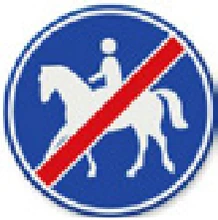
G10
End of bridleway
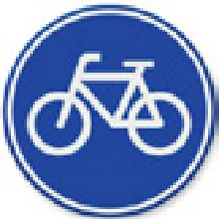
G11
Compulsory cycle path
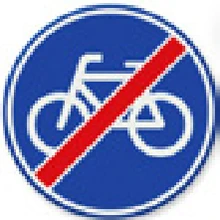
G12
End of compulsory cycle path
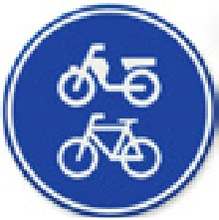
G12a
Compulsory cycle and moped path
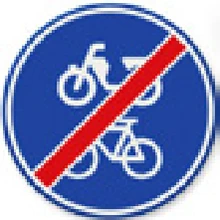
G12b
End of cycle and moped path

G13
Optional cycle path

G14
End of optional cycle path
HBuilt-up areas2 signs

H1
Enter a built-up area
Check which speed limit applies as you enter.

H2
Leave a built-up area
Check the speed and road type after the sign.
JHazard warnings39 signs
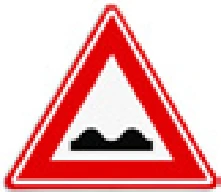
J1
Uneven surface
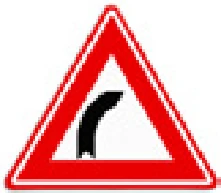
J2
Right bend
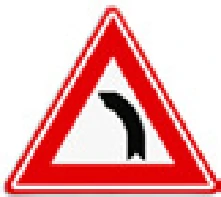
J3
Left bend
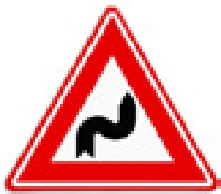
J4
Series of bends starting right
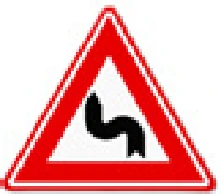
J5
Series of bends starting left
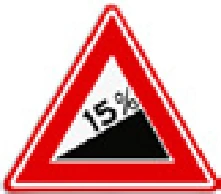
J6
Steep ascent
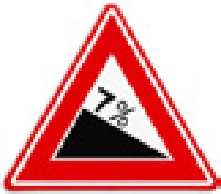
J7
Steep descent
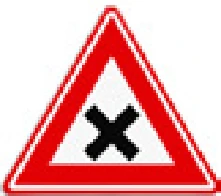
J8
Hazardous junction
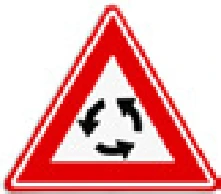
J9
Roundabout ahead
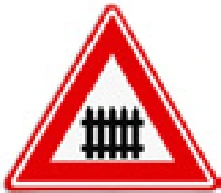
J10
Level crossing with barriers ahead
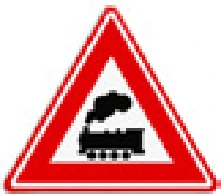
J11
Level crossing without barriers ahead
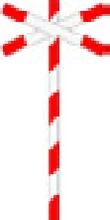
J12
Single-track level crossing
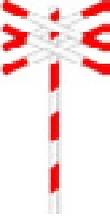
J13
Level crossing with more than one track
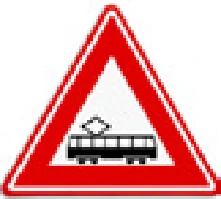
J14
Trams crossing or sharing the road ahead
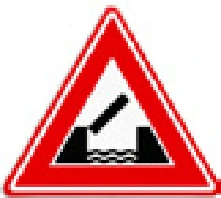
J15
Opening bridge ahead
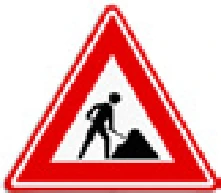
J16
Roadworks ahead
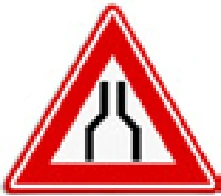
J17
Road narrows on both sides
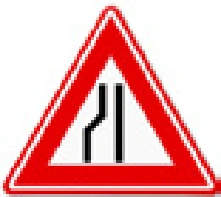
J18
Road narrows from the right
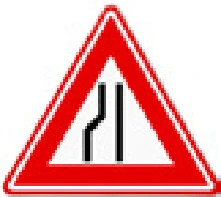
J19
Road narrows from the left
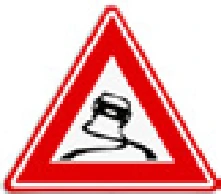
J20
Slippery surface
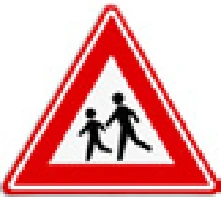
J21
Children near the road
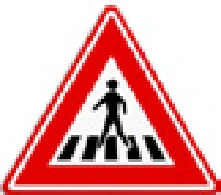
J22
Pedestrian crossing ahead
The blue L2 sign marks the crossing itself.
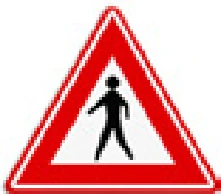
J23
Pedestrians may be on the road
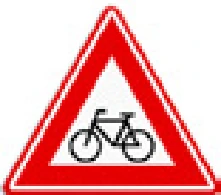
J24
Cyclists and mopeds may cross
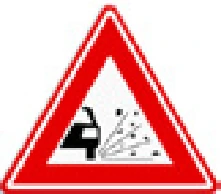
J25
Loose gravel
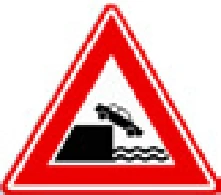
J26
Unprotected waterside edge
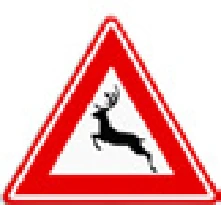
J27
Wild animals may cross
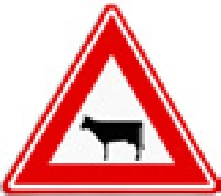
J28
Farm animals may cross
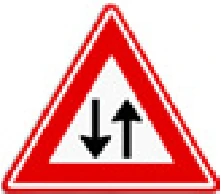
J29
Two-way traffic ahead
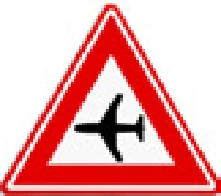
J30
Low aircraft overhead
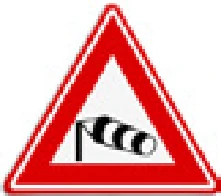
J31
Strong crosswinds
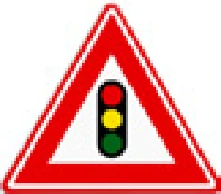
J32
Traffic signals ahead
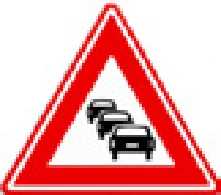
J33
Possible traffic queues
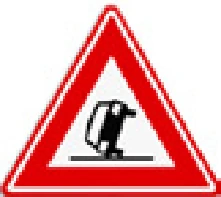
J34
Accident ahead
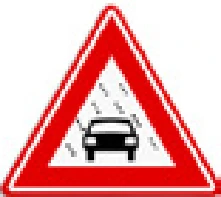
J35
Poor visibility from rain, fog or snow
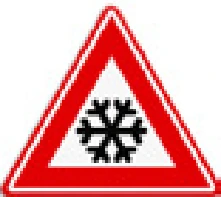
J36
Ice or snow hazard
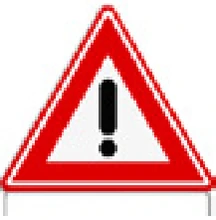
J37
Other danger
Read the plate underneath to identify the hazard.
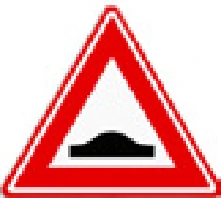
J38
Speed hump ahead
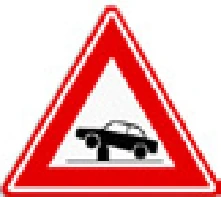
J39
Retractable bollard in the road
KDirection and route signs14 signs
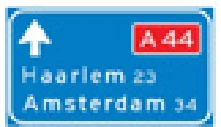
K1
Motorway direction sign at roadside
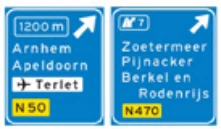
K2
Advance motorway exit sign
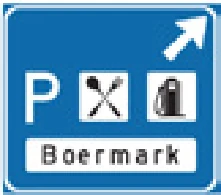
K3
Motorway service area exit
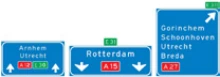
K4
Overhead motorway lane and exit directions
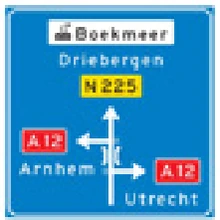
K5
Advance directions on a road outside a motorway
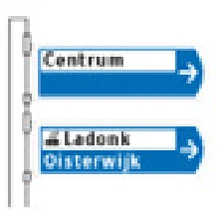
K6
Roadside directions on a road outside a motorway
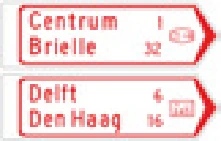
K7
Fingerpost for cyclists and moped riders
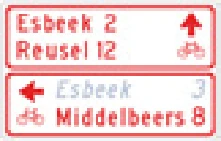
K8
Cycle and moped directions with an alternative route
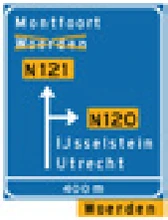
K9
Alternative route or diversion
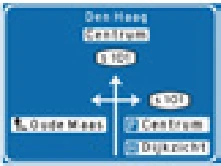
K10
Advance directions inside a built-up area
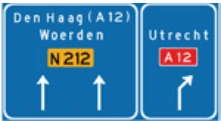
K11
Directions above lanes on a non-motorway road
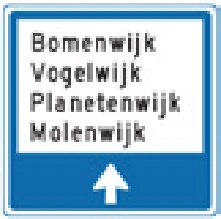
K12
Directions to named districts
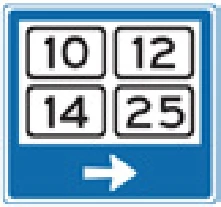
K13
Directions to numbered districts
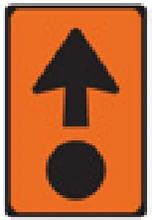
K14
Route for dangerous-goods vehicles
LInformation and facilities24 signs
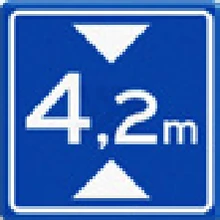
L1
Underpass clearance
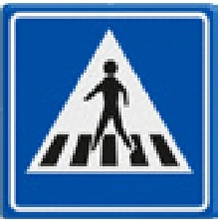
L2
Pedestrian crossing here
Give way to people crossing or clearly intending to cross, subject to the applicable signals.
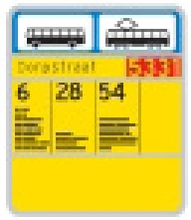
L3
Service information at a bus or tram stop
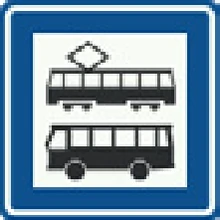
L3a
Combined bus and tram stop
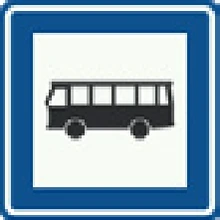
L3b
Bus stop
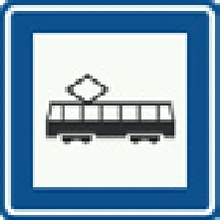
L3c
Tram stop
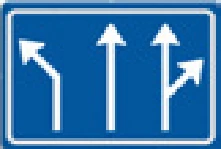
L4
Choose the lane for your destination
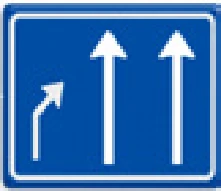
L5
Lane ends
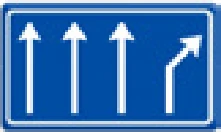
L6
Lane splits ahead
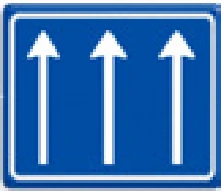
L7
Number of lanes continuing ahead
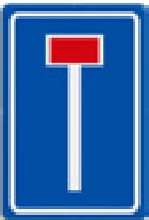
L8
Dead end for vehicles
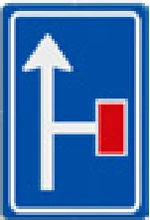
L9
Side road is a dead end for vehicles
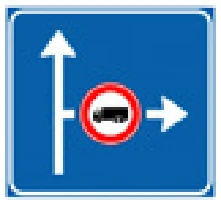
L10
Traffic restriction in the direction shown
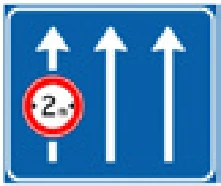
L11
Restriction applies to the indicated lanes
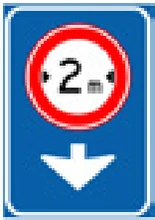
L12
Restriction applies to the lane below this panel
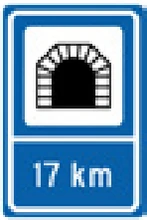
L13
Road tunnel
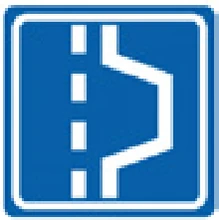
L14
Emergency refuge area
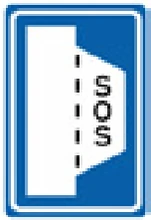
L15
Refuge with an emergency phone and extinguisher
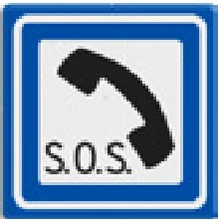
L16
Emergency phone
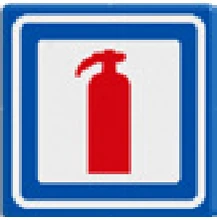
L17
Fire extinguisher
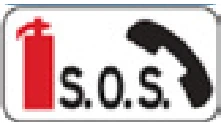
L18
Emergency phone and extinguisher
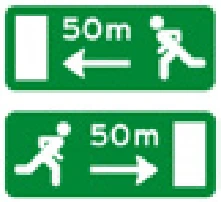
L19
Direction and distance to an emergency exit
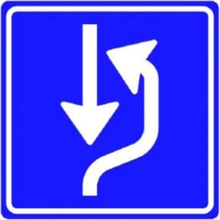
L20
Passing place on the right
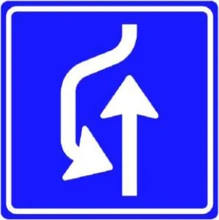
L21
Passing place on the left
Traffic controller hand signals
Follow the controller’s instruction when it applies to your direction, even if your light is green.

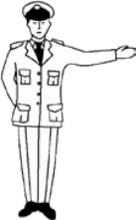
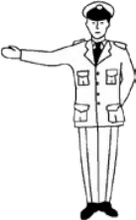
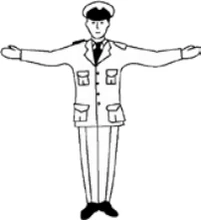
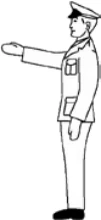

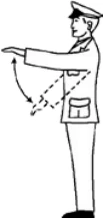
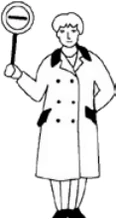
Sign and hand-signal artwork from the Dutch road rules, via the English government handbook and the Staatsblad updates listed under Official references.
Worked example
The light changes to amber
You are approaching the stop line. In this example you have enough distance to stop smoothly before it.
- 1
Apply the steady amber rule
Stop before the line when you can do so safely.
- 2
Use the available space
Check the situation around you and brake smoothly. The exception is for being too close to stop safely.
Check yourself
You are in a lane with a red X overhead. The lane looks empty. May you continue in it?
Leave the lane as soon as you can safely do so. The red X closes the lane.
A no-entry sign has a plate exempting bicycles and mopeds. Can you enter in a passenger car?
Choose a different route. The plate only exempts the road users it names.
The barrier at a level crossing starts rising, but the red signal is still flashing. Can you go?
Wait. Cross after the red signal stops, the barrier has fully opened and there is room to clear the tracks.
An authorised traffic controller signals for you to stop while your light is green. Which instruction applies?
Stop. Follow the controller’s signal when it is directed at you.
Dutch terms
- onderbord
- supplementary plate
- stopstreep
- stop line
- verkeersregelaar
- traffic controller
- verkeersbord
- traffic sign
- verkeerslicht
- traffic light
- wegmarkering
- road marking
- aanwijzing
- instruction
Practice after reading
6 practice tests